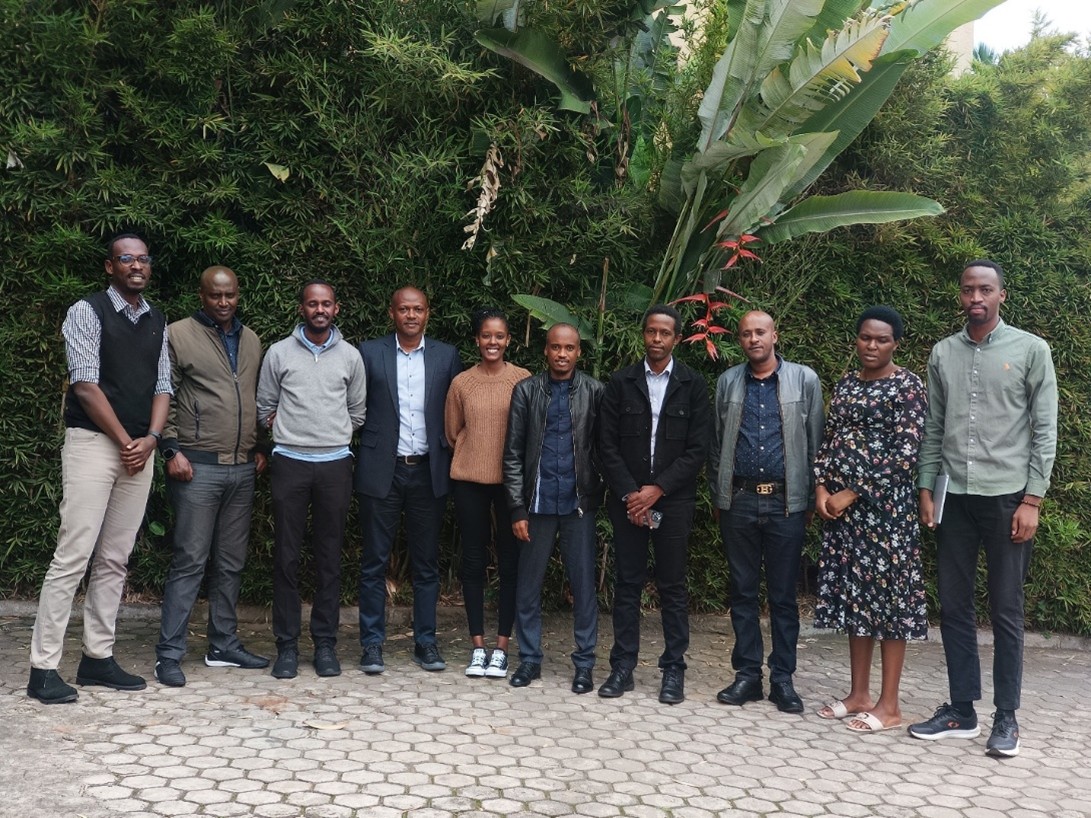
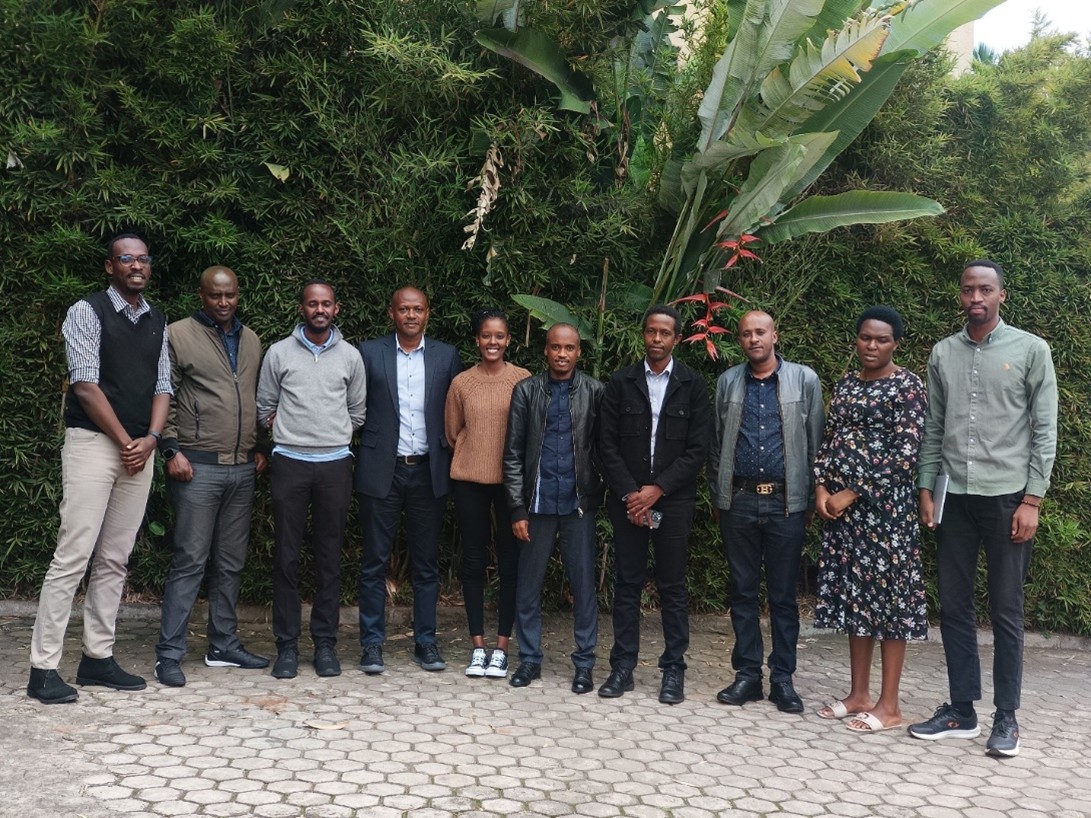
The Transformative Artificial Intelligence Research and Innovation Lab (TAIRI Lab) hosting 10 postgraduate students focusing their research efforts on AI in agriculture, health and environment took a decisive step toward defining the artificial intelligence future of the University of Rwanda when around 15 key stakeholders convened for a three-day workshop on AI strategy development. Representatives from Rwanda Information Society Authority (RISA), Rwanda Utility Regulatory Authority (RURA), National Cybersecurity Authority (NCSA), Rwanda Space Agency (RSA), Ministry of ICT (MINICT), Rwanda Agriculture Board (RAB), and Rwanda Biomedical Centre (RBC) gathered alongside University of Rwanda TAIRI Lab project members to chart a coordinated path forward.
The workshop's purpose was clear: transform ambition into action by developing an Institutional AI Policy aligned with national priorities.
Dr. Said from Rwanda Information Society Authority presented Rwanda's national AI guidelines a framework built on five pillars designed to position the country as a regional AI hub. The vision was ambitious: fifty AI use cases by 2029, comprehensive skills development, and robust research infrastructure.
Prof Gatare the Principal College of Science and Technology at the University of Rwanda presented international benchmarks the United States, China, the European Union, and Singapore learning from their approaches while considering Rwanda's unique context.
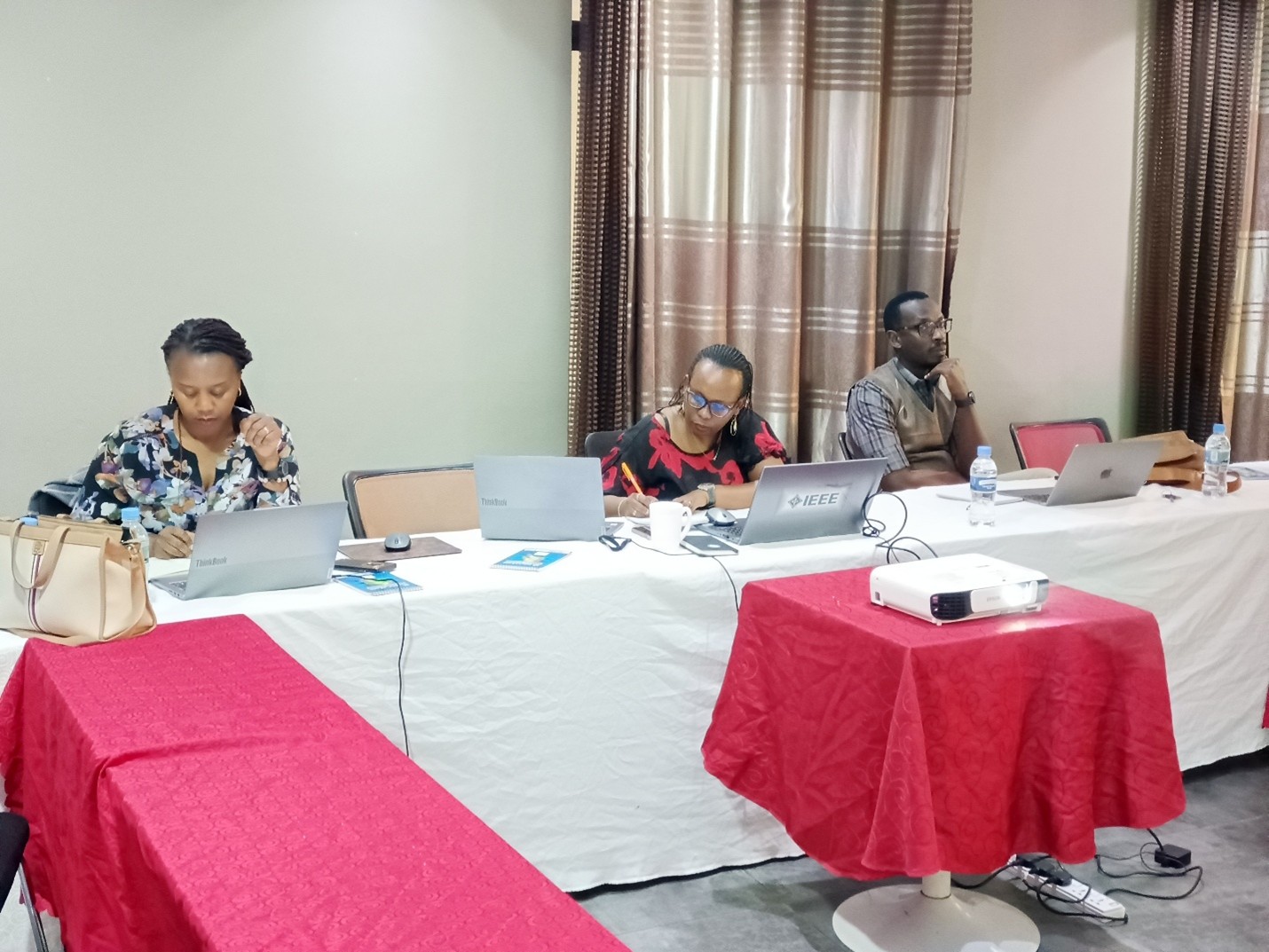
Working groups tackled three priority sectors: health, agriculture, and environment. Across all discussions, one theme emerged consistently quality data is the essential prerequisite for everything else. Participants emphasized that AI must serve vulnerable populations, not deepen inequality, and that implementation must be coordinated rather than fragmented across institutions.
The University of Rwanda's role crystallized around three functions: research and infrastructure support, training and capacity building, and policy leadership. By the workshop's conclusion, multi-stakeholder working groups had been established with clear timelines extending into 2026. The framework for an Institutional AI Policy was taking shape, grounded in alignment with Vision 2050 , NST 2 and University of Rwanda strategic plan.
The AI policy development is in its foundation phase. Stakeholder networks are established, priorities identified, and working groups formed with assigned responsibilities. The roadmap is clear. The conversation has moved from aspiration to structured planning, the working groups formed during the workshop have continue work together to update and co-develop the Institutional AI policy.