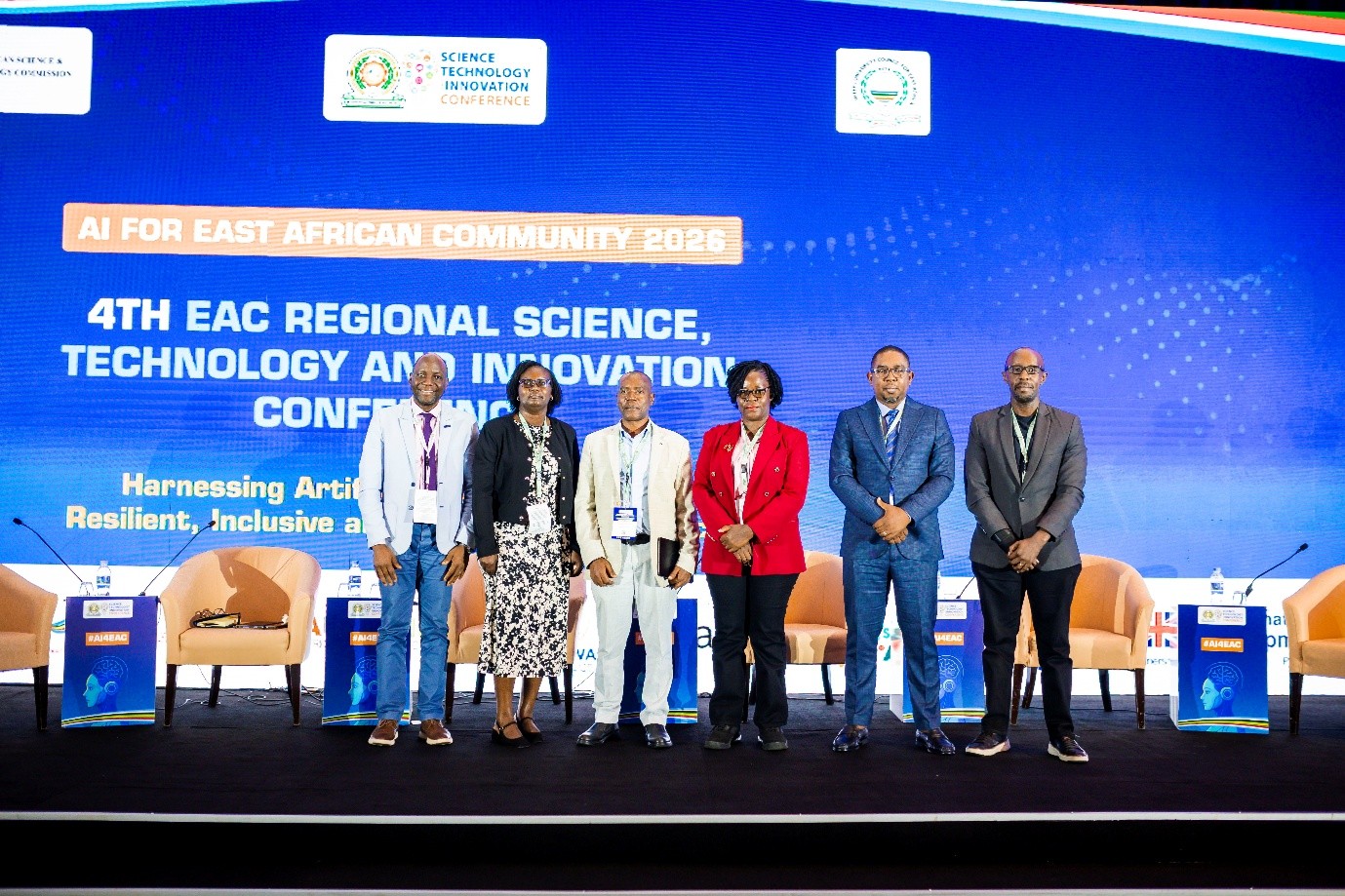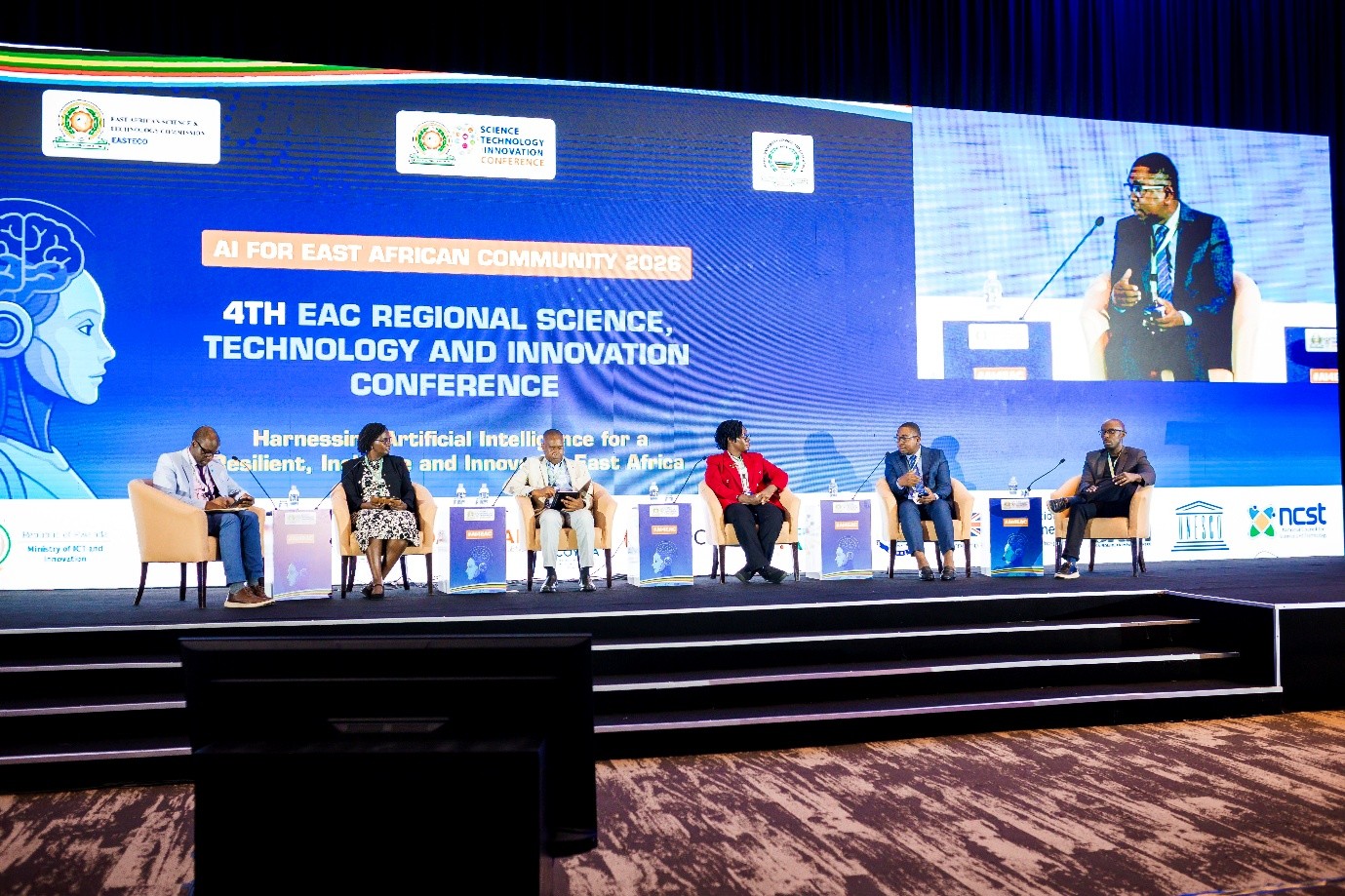
The 4th East African Community Regional Science, Technology, and Innovation Conference convened at the Kigali Convention Centre, drawing regional leaders, industry leaders, policy makers, researchers, and innovators around a single urgent theme: “Harnessing AI for a Resilient, Inclusive, and Innovative East Africa,” the three-day conference provided a strategic platform to explore how Artificial Intelligence can drive resilience, socio-economic transformation inclusivity, and innovation across key sectors in EAC region
The 4th EAC Regional Science, Technology and Innovation (STI) Conference was jointly organised by the East African Science and Technology Commission (EASTECO) and the Inter-University Council for East Africa (IUCEA), in collaboration with a wide range of regional and global STI stakeholders.
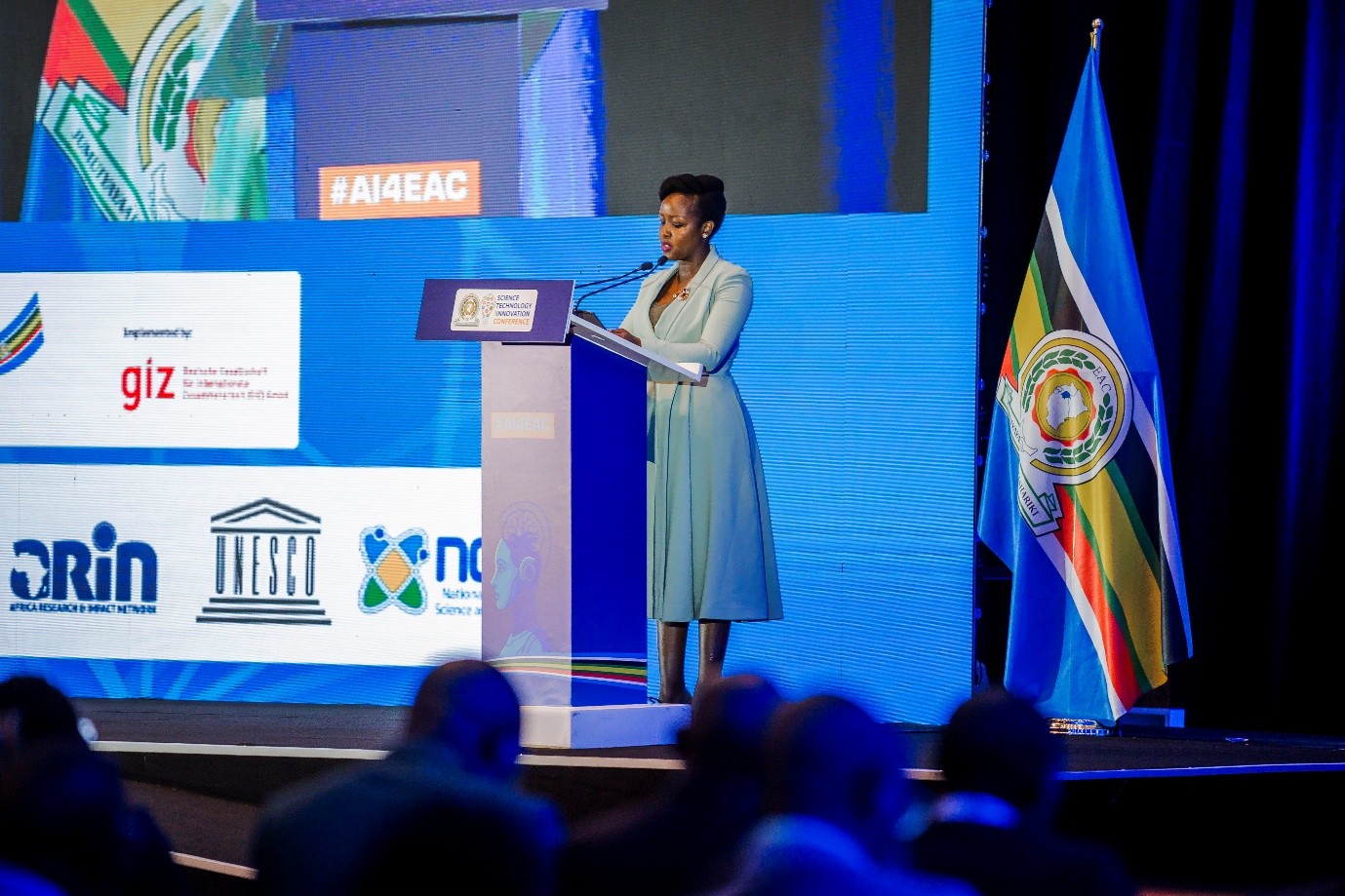
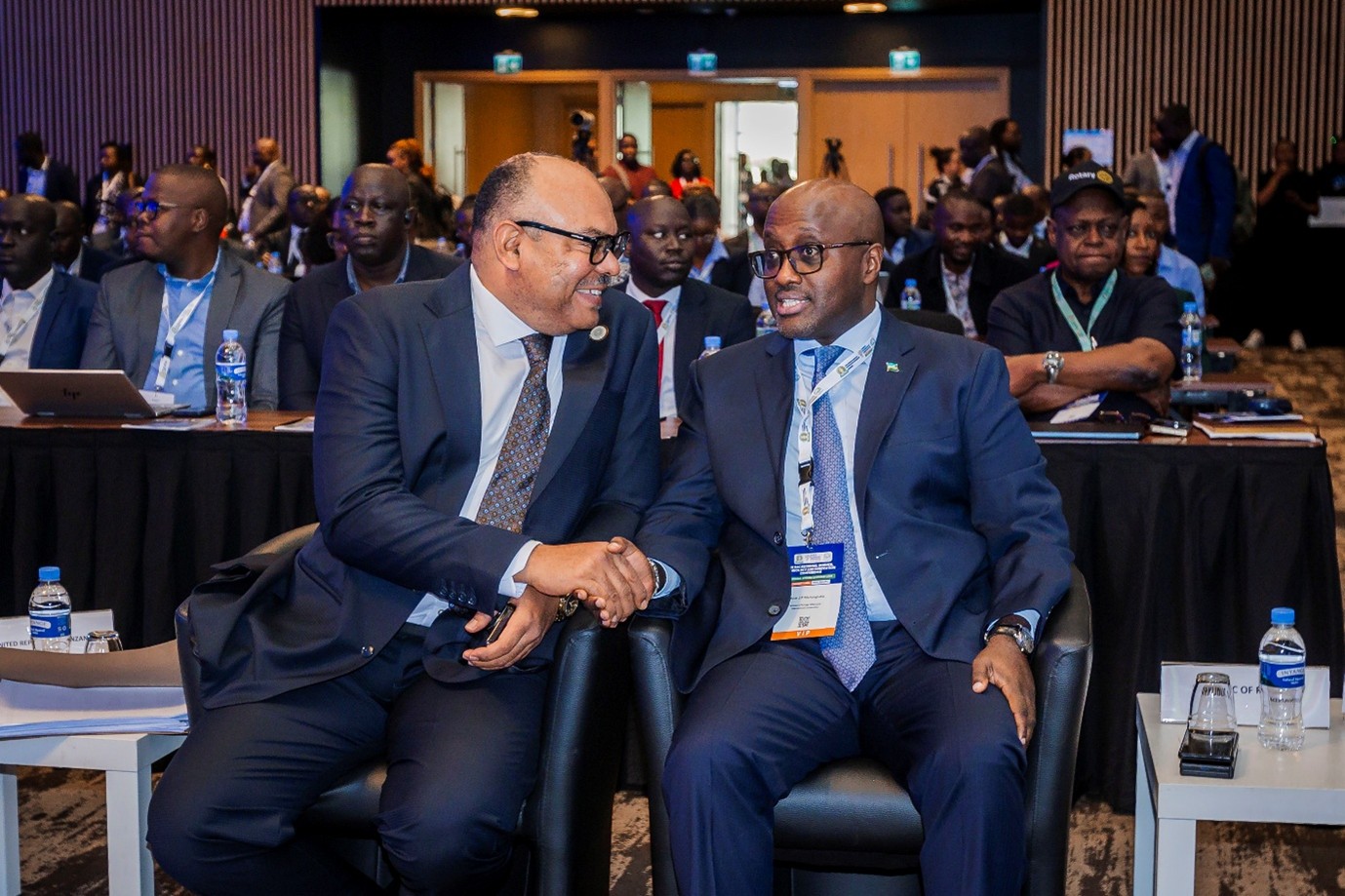
The conference was officially opened by Rwanda's Minister of ICT and Innovation, Hon Paula Ingabire, joined by Minister of Foreign Affairs Hon Olivier Jean Patrick Nduhungirehe, and ICT Ministers from across the region, and senior stakeholders.
A Bloc, Not Just Nations
Minister Ingabire set a bold tone from the outset. East Africa, she argued, has a genuine opportunity to emerge as a global AI leader but only if the region acts as a unified bloc rather than as individual nations. She pointed to innovations already making a difference on the ground: AI tools helping farmers cut harvest losses, digital platforms widening access to financial services.
Realising that potential, she said, demands pooling research capacity, building shared data infrastructure, and investing decisively in local talent. Regional collaboration on data centres is especially critical, given the enormous energy and capital costs involved; costs no single country should have to bear alone.
Her central message was clear and uncompromising: "Our data stays in our hands, our citizens' rights are protected by our laws, our AI systems reflect our values, and the economic value generated by AI in East Africa accrues to East Africans."
She closed with a rallying call to the region's youth, urging the conference to mark a shift "from dialogue to decisive action."
From the Lab to the Market
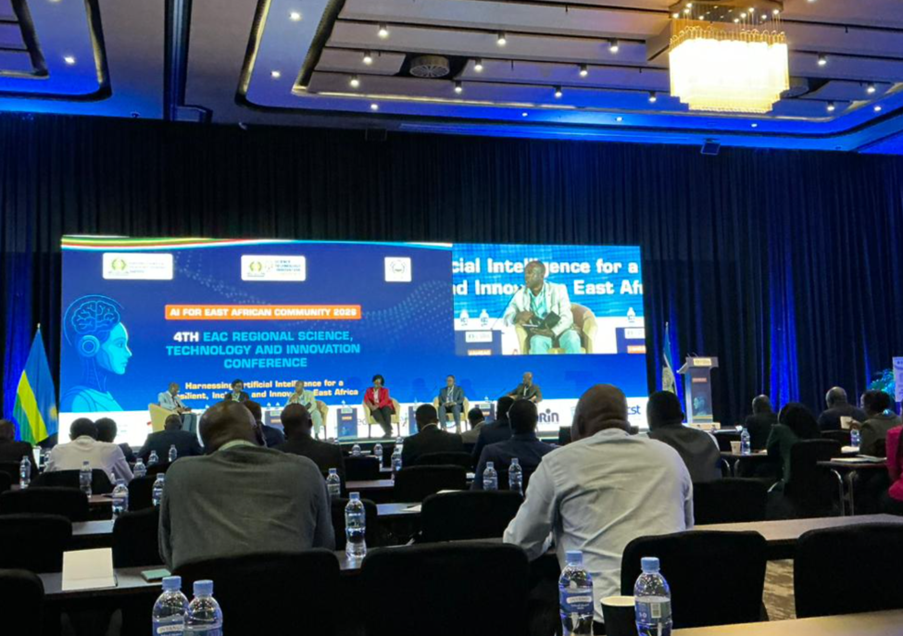
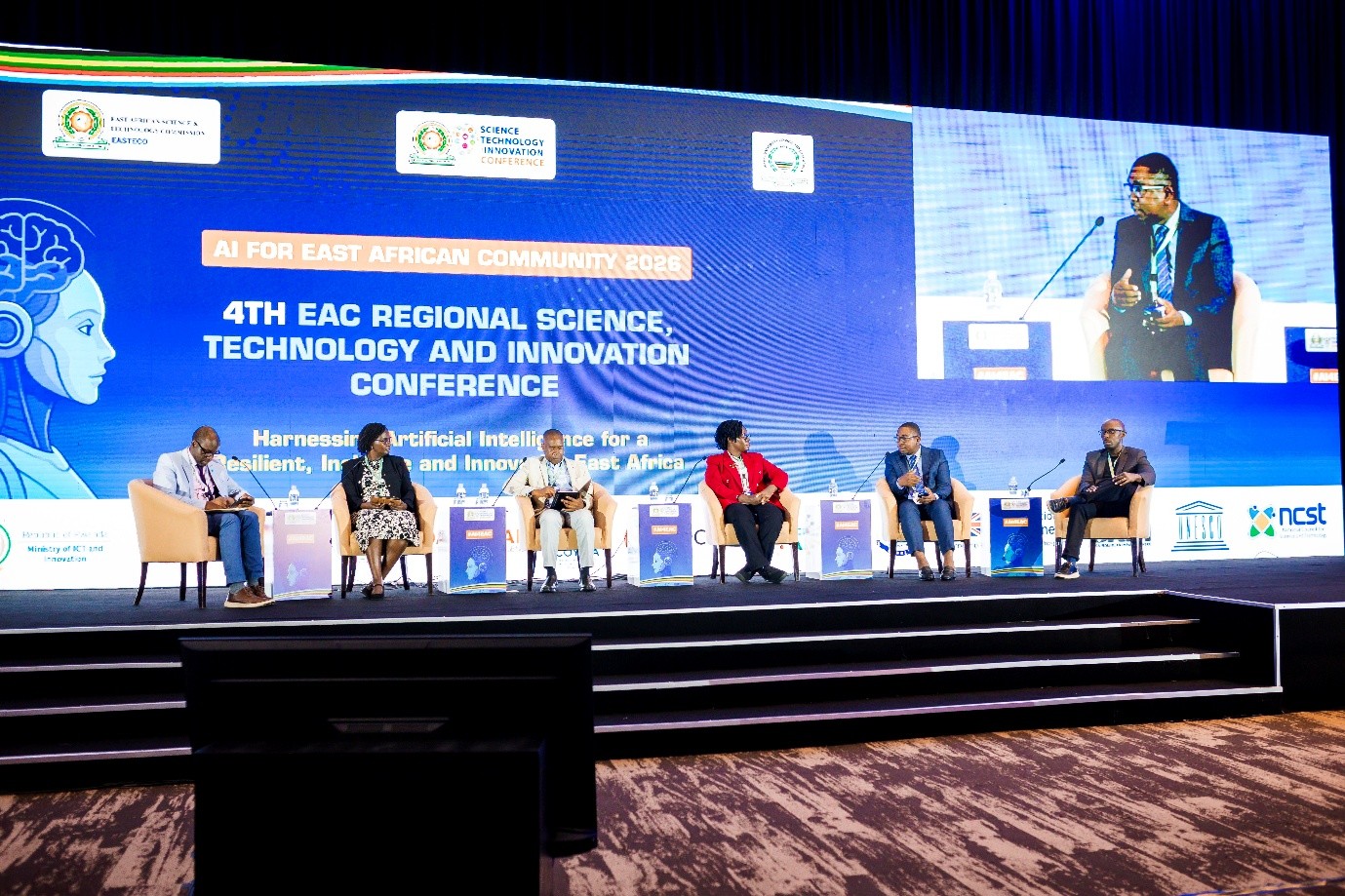
On the Ethics and Responsible AI in the East African Community discussions panel, Prof. Damien Hanyurwimfura, Principal Investigator of the Transformative Artificial Intelligence Research and Innovation Lab and Acting ACEIoT Director at the University of Rwanda brought a grounded, practitioner's perspective. Universities are doing the work, he noted, but the journey from research to real-world impact remains frustratingly short-circuited. Funding gaps, regulatory hurdles and the pull of conventional employment mean many promising young innovators never see their ideas scaled.
The fix, he argued, is sustained collaboration between academia, industry, and regulators not occasional engagement, but embedded partnership that keeps innovative projects alive through the messy realities of funding cycles and regulatory hurdles.
Ethics First, Not Last
The most pointed message from Prof. Damien was this: ethical thinking cannot be bolted on at the end of an AI project. It must be built in from day one through early ethical clearances, informed consent, and responsible design. Context, he stressed, is everything. The risks in a health application are fundamentally different from those in agriculture; governance frameworks must reflect that nuance rather than defaulting to blanket, one-size-fits-all policy.
Capacity building, he concluded, is the region's clearest path to leapfrogging technologically while keeping its AI systems ethical, inclusive, and genuinely impactful.
A Turning Point
What emerged from Kigali was more than a set of recommendations, it was a shared regional conviction. East Africa's strength in AI lies not in any single country's infrastructure or talent pool, but in its collective will to collaborate, govern responsibly, and invest in its people. With deliberate efforts such as the Transformative Artificial Intelligence Research and Innovation Lab advancing that mission and strong policy direction from regional leadership, the continent's next chapter in technology looks increasingly like one it will write for itself.