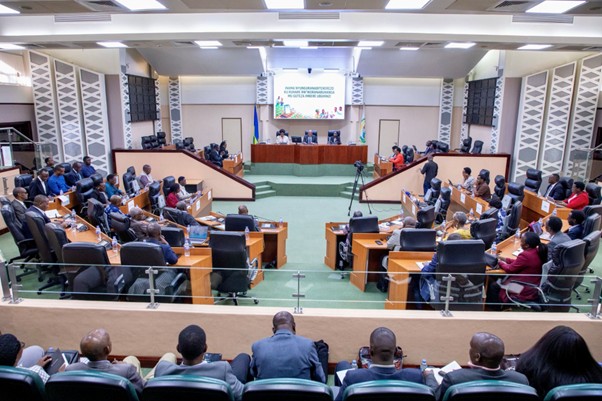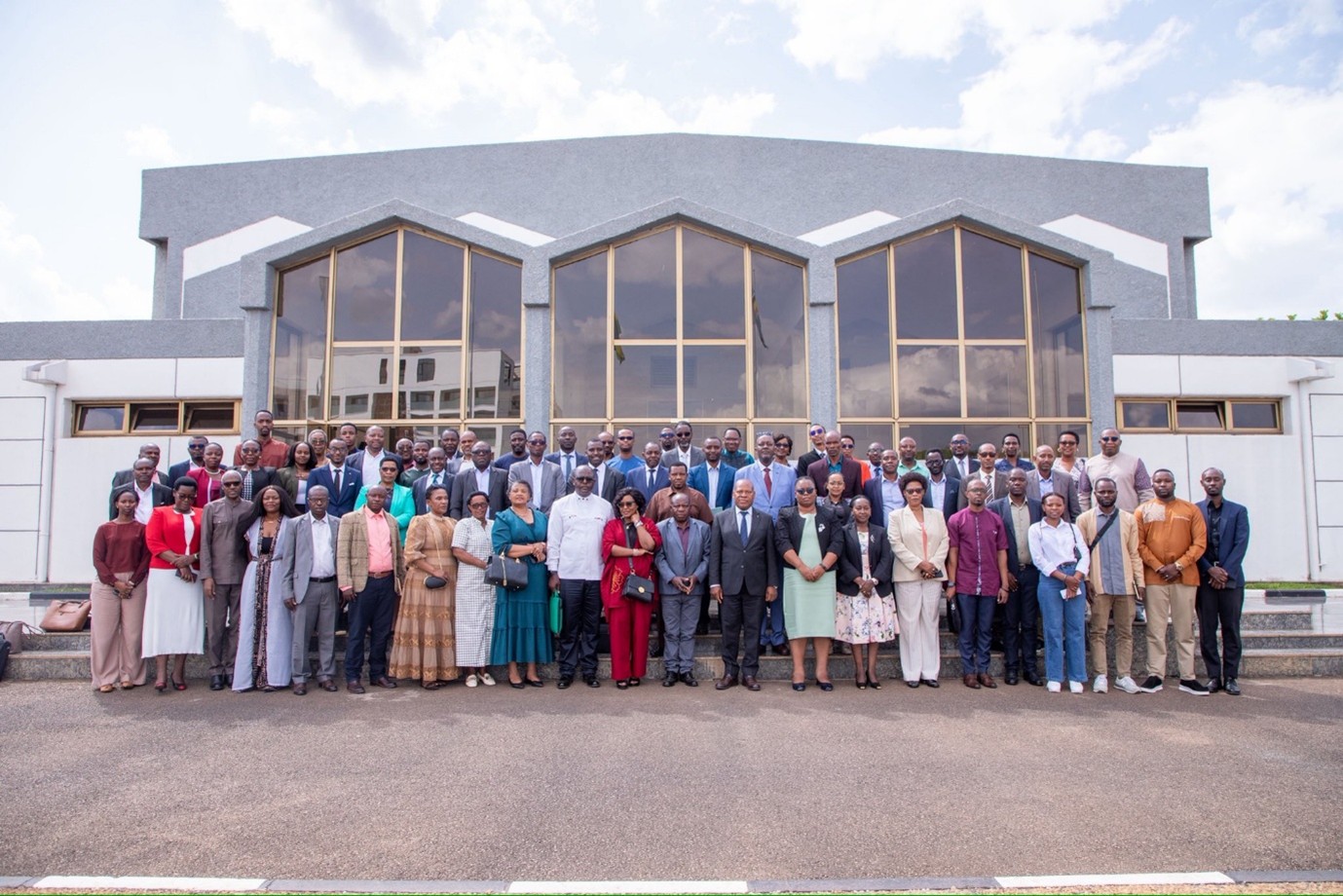
The Senate of Rwanda hosted a consultative meeting that brought together stakeholders from across the agriculture and technology sectors under the theme “The Role of Technology in Modernising Agriculture in Rwanda.” The President of the Senate opened the meeting at the Senate Plenary.
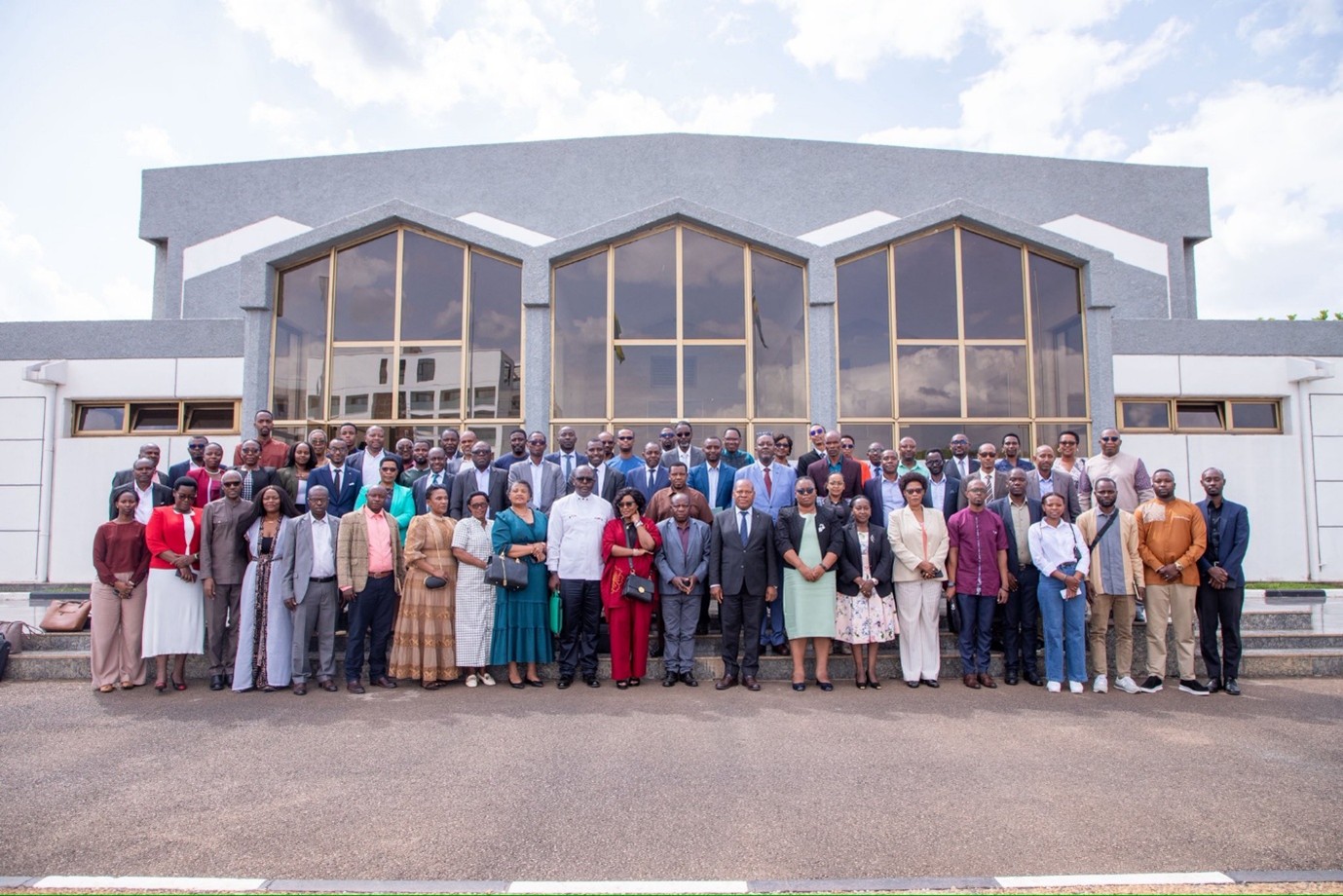
A panel discussion followed, made up of the Minister of State for Agriculture, Dr Solange Uwituze, the Chairperson of the Senate Committee on Agriculture, a representative of the Rwanda Agriculture and Animal Resources Development Board (RAB), and a young innovator invited as an example of what the sector is producing.
Prof Damien Hanyurwimfura outlined the work of the University of Rwanda through the Africa Centre of Excellence in Internet of Things (ACEIoT). He told the meeting that the centre had established the Transformative Artificial Intelligence Research and Innovation Lab, funded by the International Development Research Centre (IDRC), which runs an AI project in agriculture. ACEIoT also set up an incubation hub where a total of 14 projects were awarded seed funding and five agriculture-technology projects were are making progress and each received $5,000 in start-up funding to deliver value to Rwandan farmers.
The projects range from drone technology that sprays pesticide and foliar fertiliser precisely, cutting waste and lowering pre-harvest costs for farmers while reducing pesticide residues in food, to mushroom monitoring aimed at raising mushroom output, and cold chain management designed to reduce post-harvest losses.
Muyombano Happy Axel, a beneficiary of the ACEIoT incubation hub, addressed the Plenary session. He explained that the team had started with a one-litre prototype at the University of Rwanda and now operates a 10-litre agricultural drone serving farmers in the KOUBITE cooperative in Kamonyi District. He said the team is looking to grow the business after winning a grant from Heifer International Rwanda.
The meeting also discussed the obstacles facing the sector. Chief among them is access to finance for young entrepreneurs working in agricultural technology, as banks still treat agriculture as high risk. Participants pointed to regulations the Senate could advocate for to ease the way.
Dr Solange Uwituze said the government had identified 600,000 hectares, amounting to 19,500 food basket sites, that will be reserved for agriculture only. She noted that technology will be the only practical way to cultivate land of that scale, from spraying pesticide and fertiliser to harvesting.